
Managing a split family, visiting rights and general boundaries with a partner’s kids from a previous marriage is by no means easy. Innocuous things can turn out to be boundary crossing when lines aren’t drawn well.
A woman asked the internet if she was wrong to teach her BF’s son a recipe when his biological mom wanted to have the experience of cooking with him for the first time. We reached out to the woman who made the post via private message and will update the article when she gets back to us.
Bonding with a partner’s kid is generally a good experience

Image credits: NatalieZera / Envato (not the actual photo)
But one woman wondered if she crossed a line when she decided to cook with her BF’s son
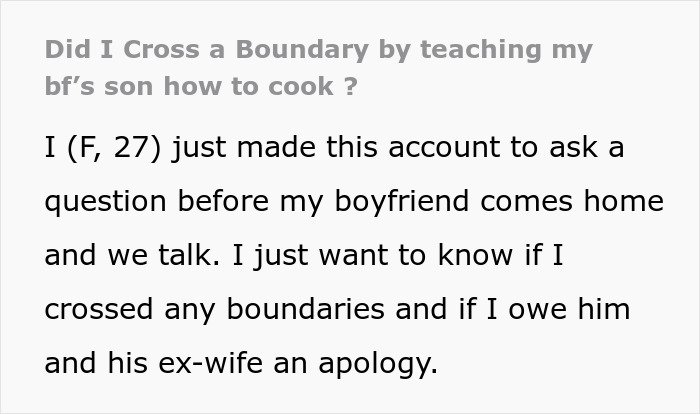
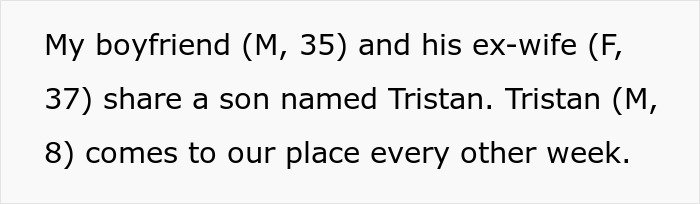

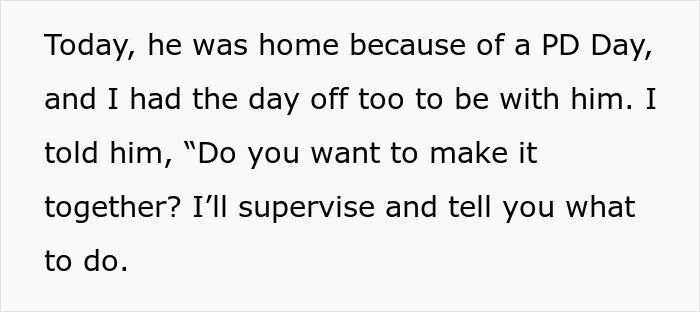



Image credits: EkaterinaPereslavtseva / Envato (not the actual photo)
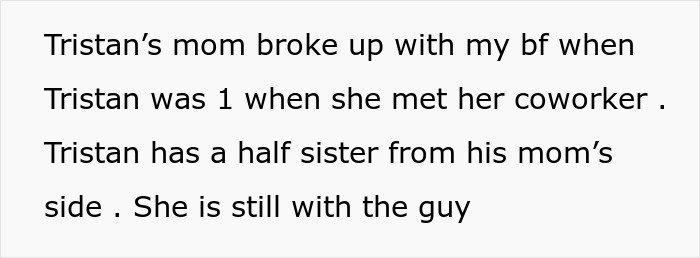
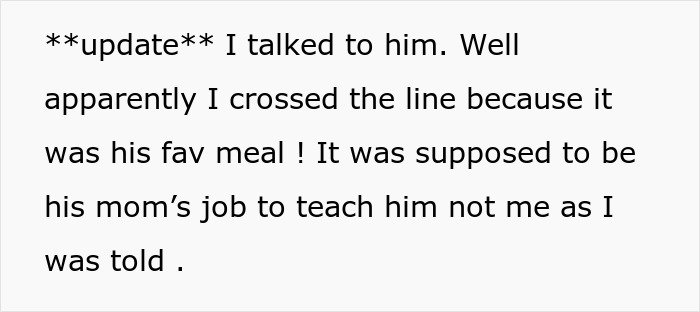
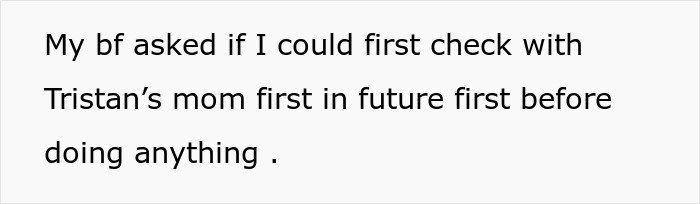
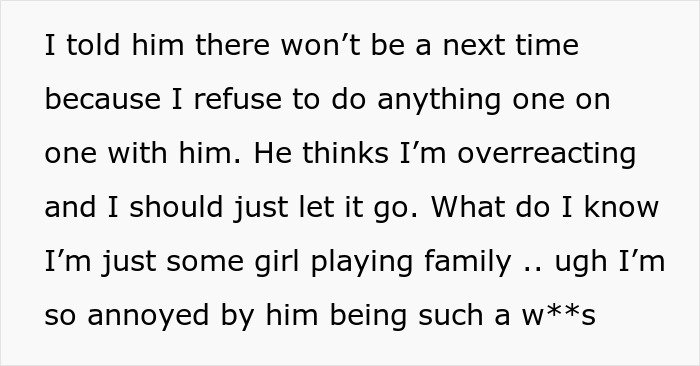
Image credits: Sad_Active8131
It’s easy to side with the protagonist
The internet has given us front-row seats to the messy reality of blended families, and few situations reveal our collective biases quite like the story of a woman who committed the apparent cardinal sin of teaching her boyfriend’s eight-year-old son how to cook his favorite meal. She spent her day off supervising the child as he prepared butter chicken, took a proud photo of him holding his creation, and sent it to both parents with an innocent caption about “Chef Tristan.” The child’s mother responded with fury, accusing her of robbing a milestone moment and “playing family.” The boyfriend sided with his ex-wife, suggesting future activities should be pre-approved. When commenters got hold of this story, they overwhelmingly rallied behind the girlfriend, but the speed and certainty of that collective judgment reveals something interesting about how we navigate the complicated terrain of modern families.
What makes this scenario particularly fascinating is how it splits people along predictable lines based on their own experiences and assumptions about what blended families should look like. Research on moral psychology shows that people evaluate situations through the lens of their existing beliefs about family structure, parenting roles, and relationship hierarchies. Those who’ve been in the girlfriend’s position see an innocent cooking activity being weaponized by an unreasonable ex. Those who’ve been the biological parent in coparenting arrangements might recognize the sting of missing a child’s first experience with something meaningful. We’re not really judging this specific situation so much as revealing which role we identify with most strongly.
The immediate rush to support the girlfriend illustrates what psychologists call in-group bias. The girlfriend presents herself as someone trying her best in a difficult situation, someone who genuinely cares for the child and is being punished for it. She moved in after two years of dating, she makes the child’s favorite meal when he visits, she spends her day off doing activities with him. She’s constructed a narrative where she’s the caring partner being attacked for doing exactly what good partners in blended families are supposed to do. Most commenters accepted this framing wholesale, viewing the mother’s reaction as territorial and unreasonable.
It can be hard to quantify family dynamics in a short, online post
But here’s where it gets complicated. Studies on family systems theory indicate that blended families involve navigating invisible boundaries that may seem arbitrary to outsiders but carry significant emotional weight for those involved. The mother’s explosive reaction suggests this wasn’t really about butter chicken at all. It might have been about watching someone else become important in her child’s life. It might have been about feeling replaced in meaningful moments. It might have been about a longer history of boundary negotiations that never made it into the girlfriend’s telling of the story.
The boyfriend’s response is particularly revealing of the impossible position coparents often find themselves in. He asked his girlfriend to check with his ex-wife before doing activities involving cooking or cutting. To thousands of commenters, this seemed absurd, controlling, and indicative of a man who hadn’t properly separated from his ex-wife. But consider what he’s actually trying to manage, that is, keeping peace between two households so his son can move between them without tension, maintaining a functional coparenting relationship with someone he’ll be tied to for another decade, and supporting his girlfriend while not completely alienating his child’s mother. That’s not being a “wuss,” as the girlfriend later called him. That’s recognizing that his child’s wellbeing depends on adults who can work together.
Research on stepfamily dynamics consistently shows that the most successful blended families are those where biological parents take the lead on parenting decisions and discipline, especially in the early years. This doesn’t mean stepparents or partners can’t form meaningful bonds with children, but it does mean recognizing that biological parents often have feelings about milestone moments that seem irrational to outsiders. A child’s first time cooking a favorite meal might not register as a milestone to someone who’s been in the child’s life for two years, but to someone who’s been there since birth, it absolutely could.
What commenters rarely considered was whether the girlfriend’s response to being asked to communicate more was proportionate. She declared she would refuse to do anything one-on-one with the child going forward. That’s not setting healthy boundaries, that’s punishing an eight-year-old for adult conflicts. It’s the emotional equivalent of flipping the game board when you don’t like the rules.
She also replied to some comments

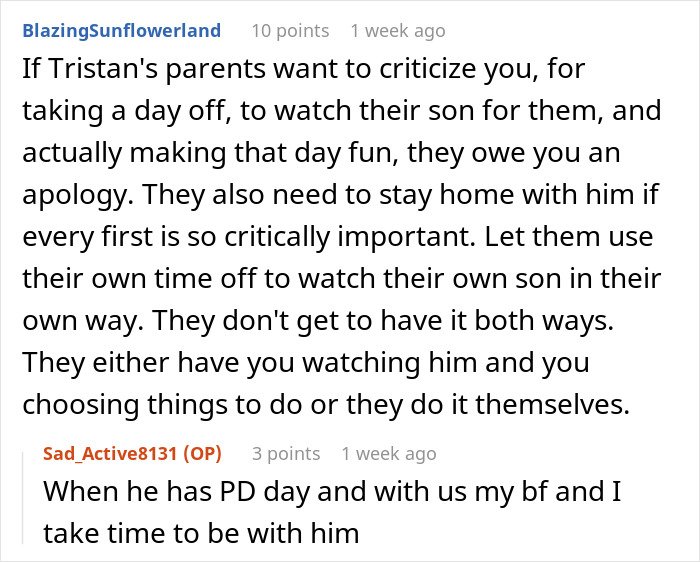
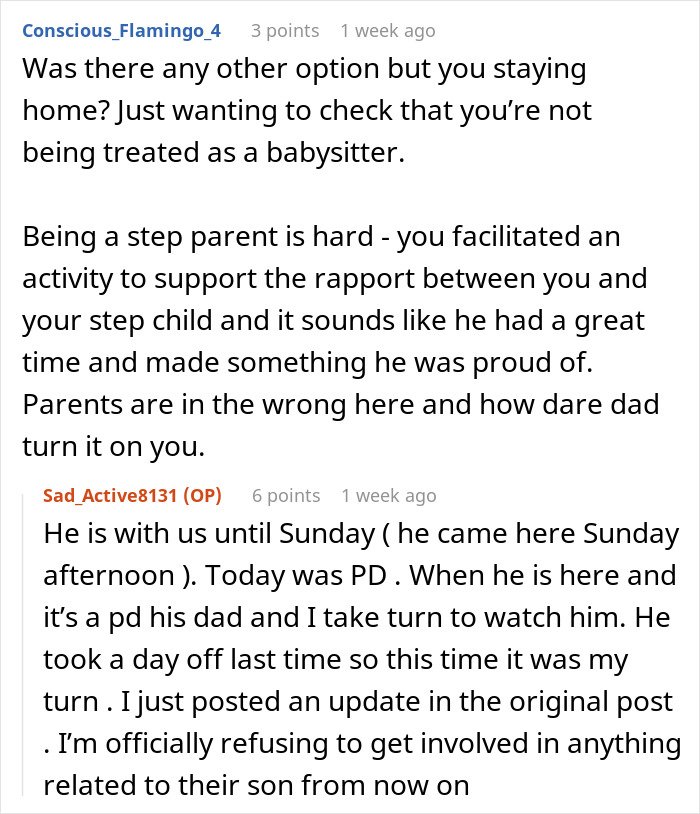
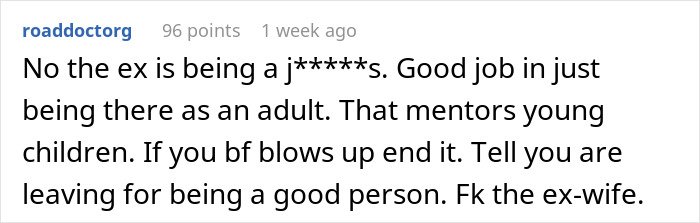
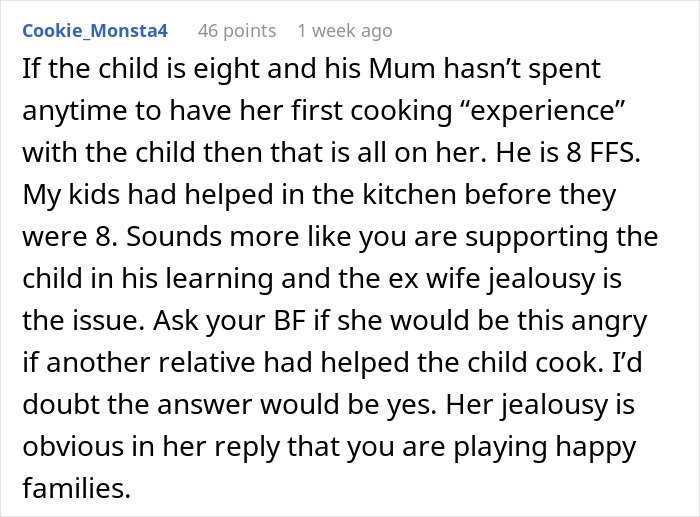
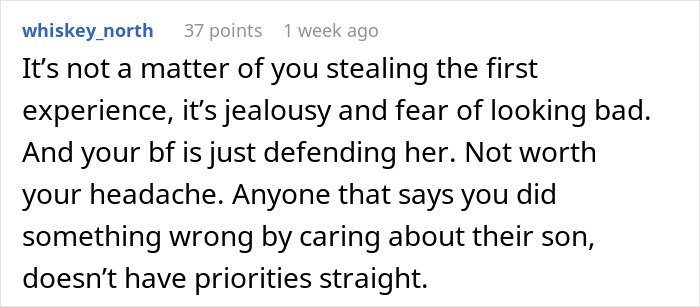
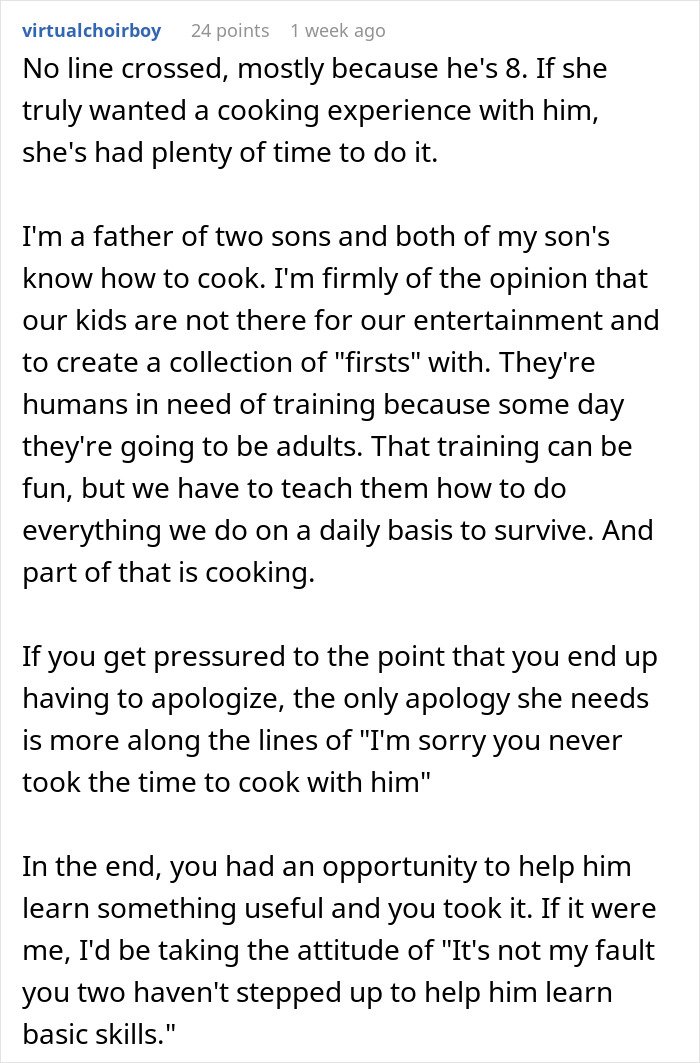
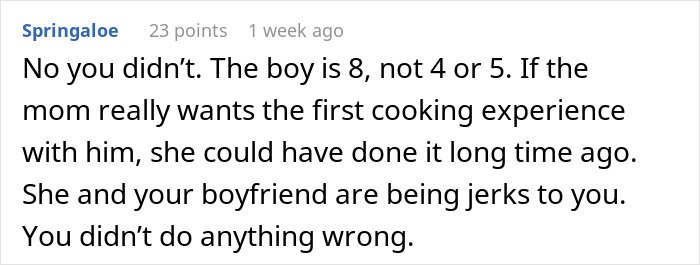
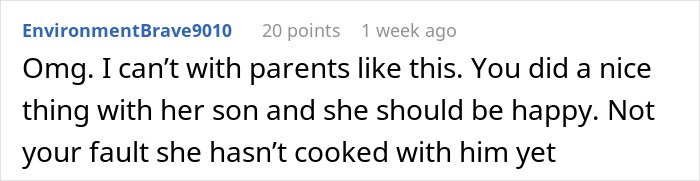
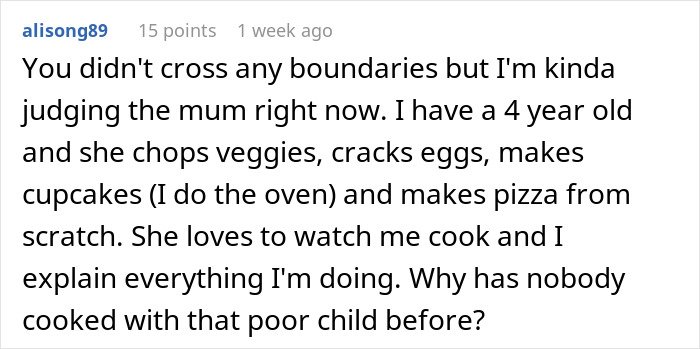
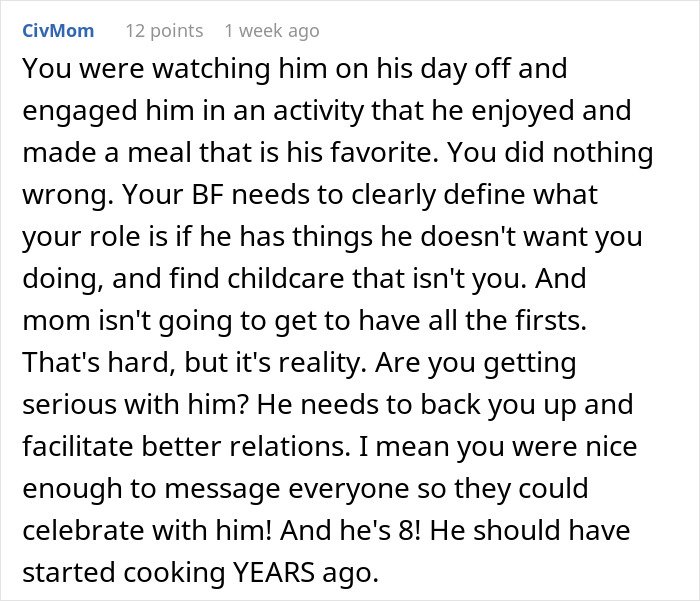
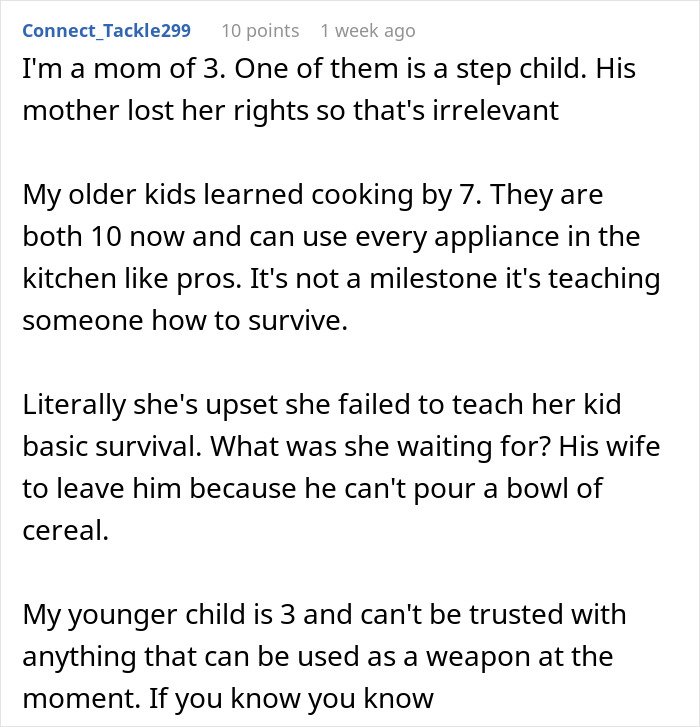
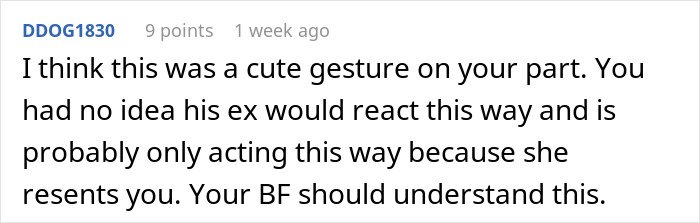
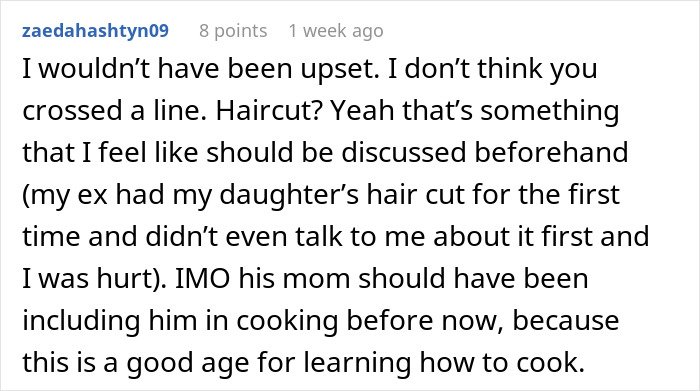
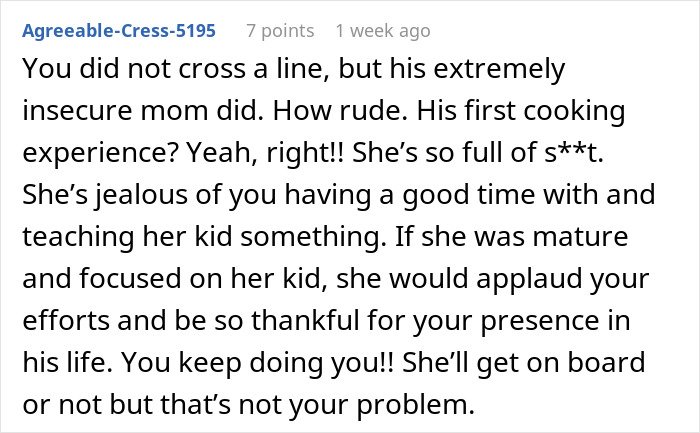
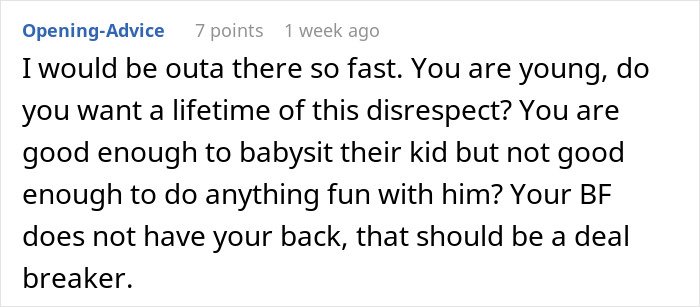
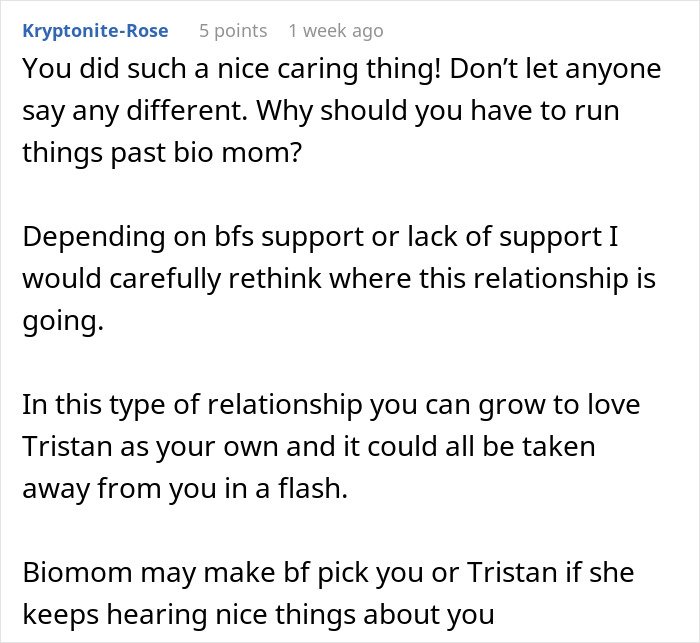
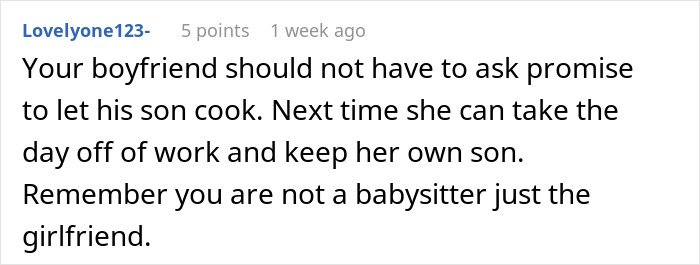
A lot of readers, predictably, sided with the person who made the post
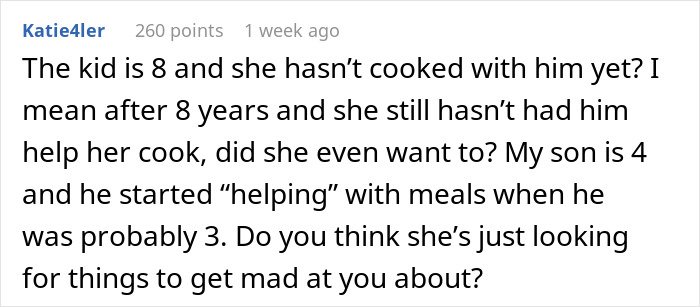
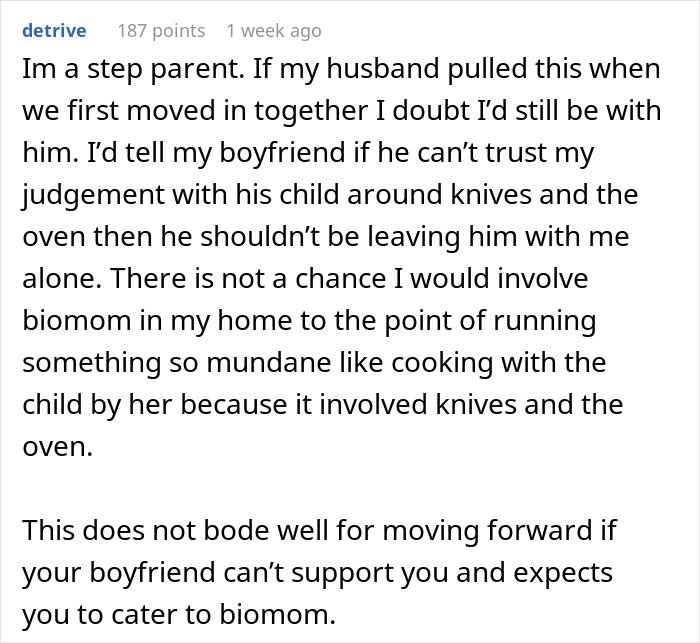





Later, she shared an update
Image credits: LightFieldStudios / Envato (not the actual photo)
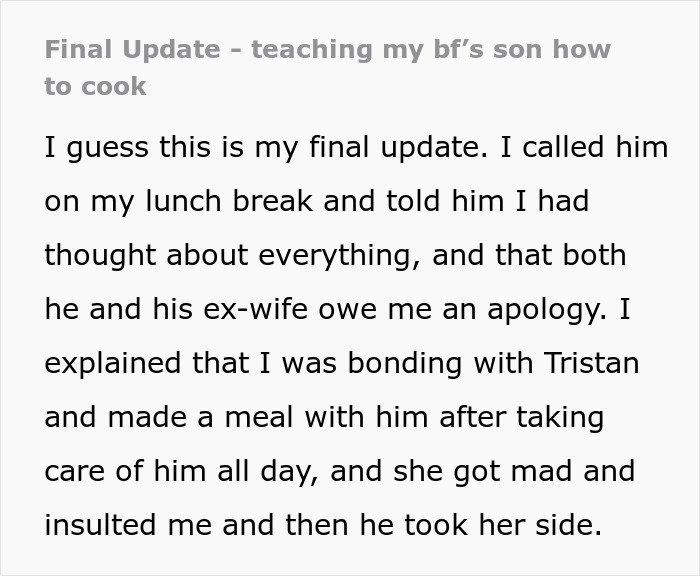
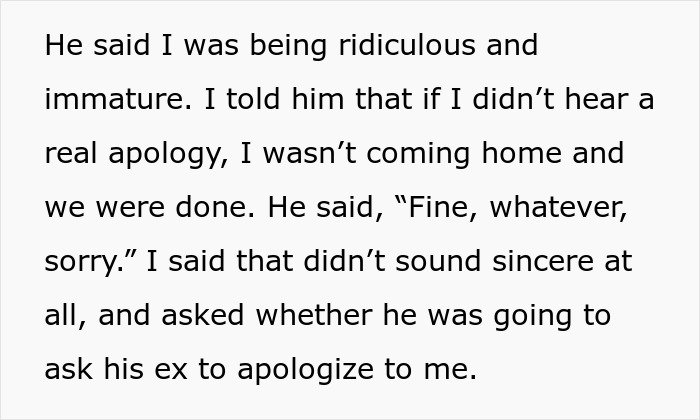
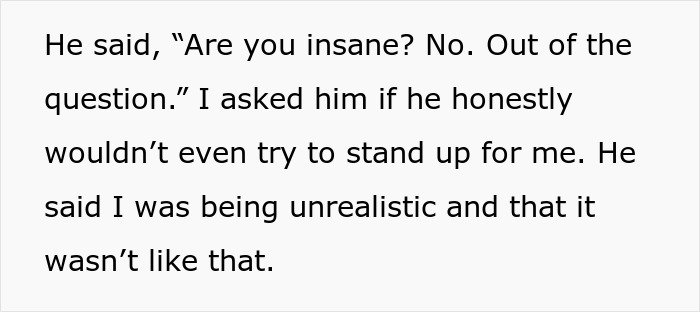


Image credits: DC_Studio / Envato (not the actual photo)


Image credits: Sad_Active8131
She chatted with a few readers in the comments