
Thomas Plamberger, a climber accused of leaving his girlfriend to a fatal end on a 12,461 ft (3,798 m) mountain, shared her last words to him during a court hearing.
33-year-old Kerstin Gurtner passed away on January 19 while climbing Austria’s highest peak, Grossglockner, situated on the Hohe Tauern range in the Central Eastern Alps. Her body was recovered just 160 ft (50 m) below the summit, several hours after Plamberger left her alone.
A month of investigation into the matter led to Plamberger, the more experienced of the two climbers, being charged with grossly negligent manslaughter.
“What a terrible man,” one user said about the incident. “May her soul rest in peace. She deserved better.”
Thomas Plamberger revealed his girlfriend’s last words before she succumbed to extreme conditions
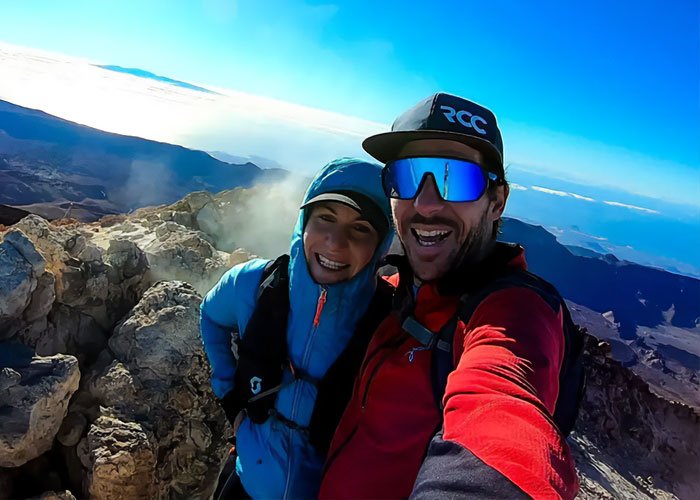
Image credits: Facebook
As Bored Panda previously reported, Plamberger, 39, abandoned his girlfriend on the mountain at around 2 a.m. to seek help. He left her “defenceless, exhausted, hypothermic, and disoriented,” according to Senior Public Prosecutor Hansjorg Mayr.
Before that, he reportedly called the Alpine police at 1:35 a.m., but did not inform them that Gurtner had said she could not continue the trek. Plamberger pleaded not guilty to the accusations, as his lawyer, Kurt Jelinek, argued that his departure was a mutual agreement.
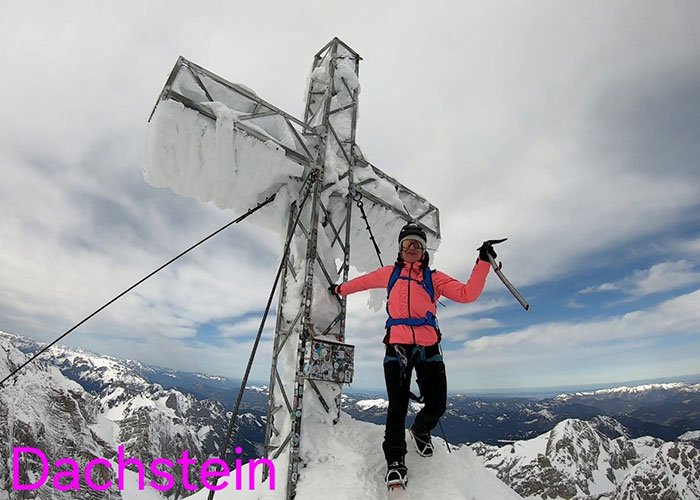
Image credits: Kerstin Gurtner Memorial
“Go, now go,” were Gurtner’s last words to him, Plamberger claimed during the trial at an Innsbruck courtroom on February 19.
It was alleged at the hearing that Plamberger had waited too long to call for help and did not answer when rescuers attempted to reach him. According to The Daily Mail, he had switched it off.
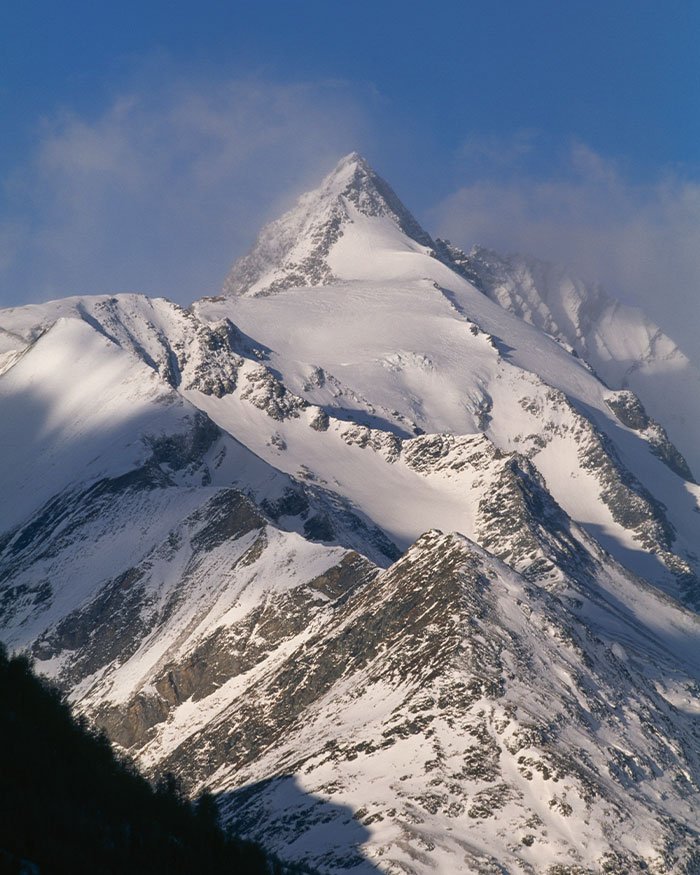
Image credits: DEA / ALBERT CEOLAN
At around 2:30 a.m., a webcam captured him descending, and an hour later, he contacted rescue officials. Help came after another 3.5 hours. At 10 a.m., rescuers finally reached Gurtner on the mountain, but it was too late. She was hanging from the rock face, already frozen and deceased.
Prosecutors accused Thomas Plamberger of nine critical errors that caused the tragedy
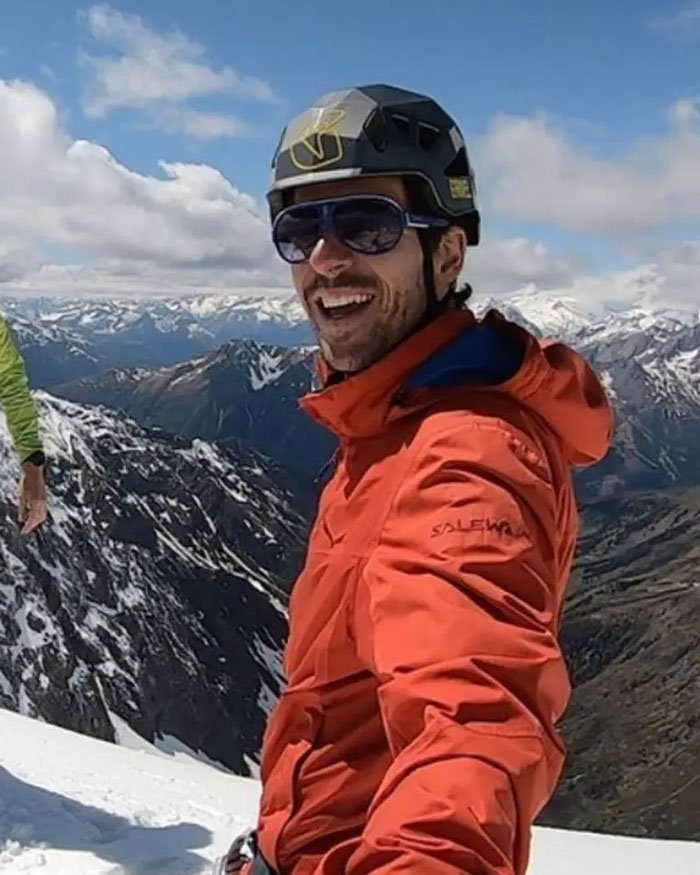
Image credits: Facebook
She was not found at the location where Plamberger claimed to have left him, said the head of the mountain rescue team. “It was certainly not a pretty sight for us when the woman was found,” he said at the hearing.
Gurtner was reportedly stranded in freezing conditions, with a wind chill of -17°F (-27 °C) and winds up to 45 mph.
The couple allegedly got stuck the night before, at around 9 p.m., but Plamberger did not send any distress signal, even though a police helicopter flew nearby a couple of hours later, according to Heute.


Image credits: Bild/Joerg Voelkerling
This was among the nine critical errors the public prosecutor accused him of, including failure to carry sufficient equipment, starting the climb too late at night, and not leaving Gurtner at a better-protected spot or with a bivouac sack or aluminium rescue blankets.
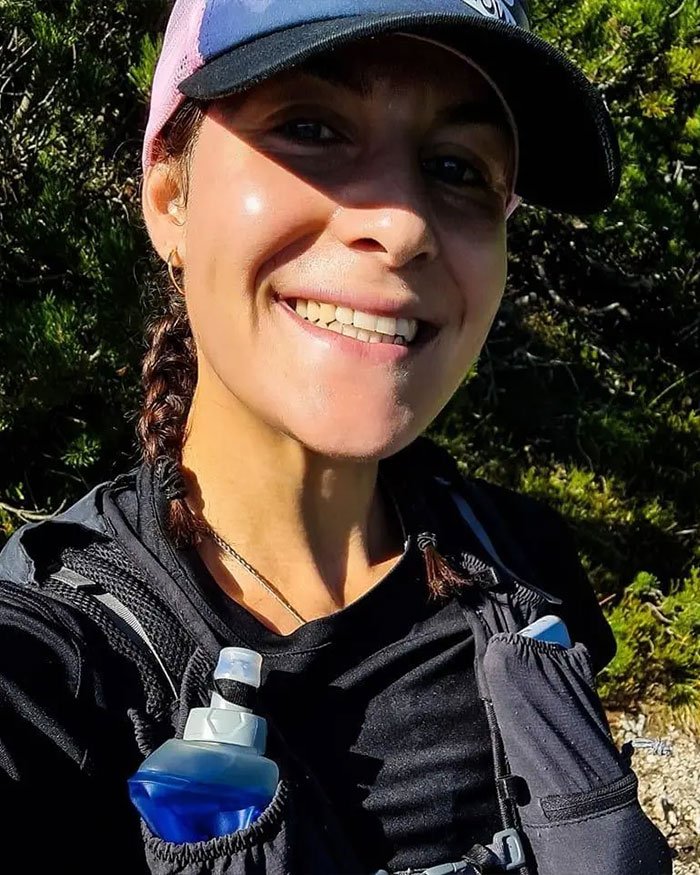
Image credits: Facebook
Plamberger, who served in the Austrian army, claimed at court that he was “not a mountain guide but an amateur mountaineer.” Even though he had climbed the Grossglockner 14-15 times, his experience was “self-taught.”
Thomas Plamberger was found guilty despite his girlfriend’s mother’s support
On February 19, Plamberger was handed a suspended five-month prison sentence. He was also fined €9,600 ($11,297).
In a suspended prison sentence, the imprisonment takes effect only if the defendant commits another offense punishable by imprisonment within a specified period or fails to comply with any other court-ordered conditions.
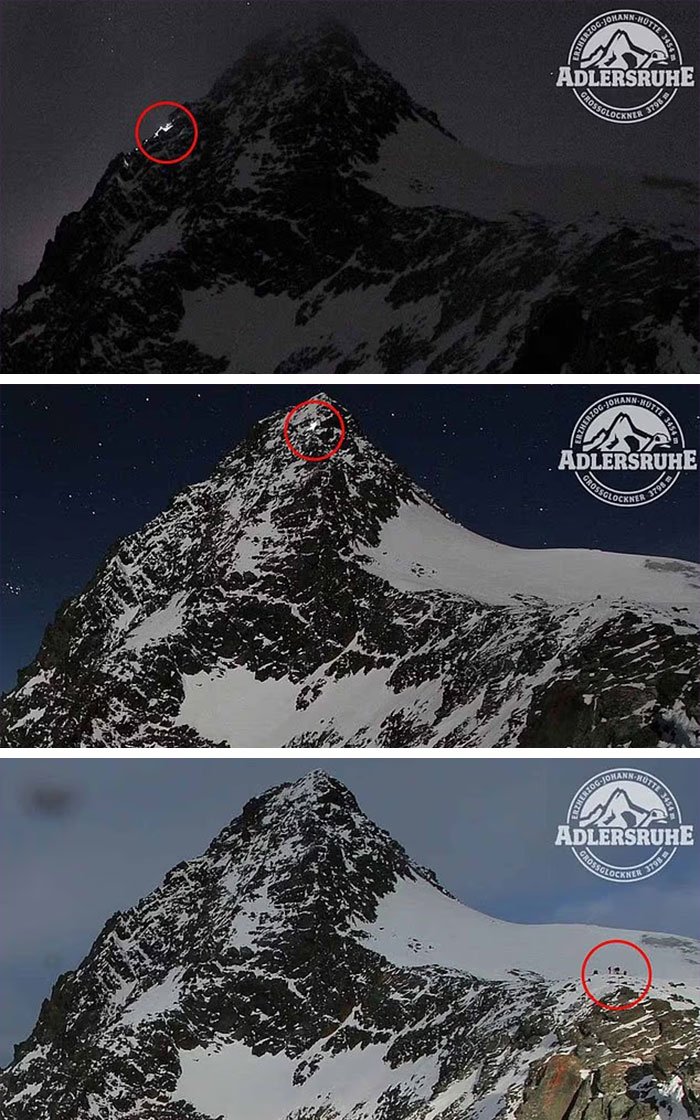
Image credits: Foto Webcam Eu
Gurtner’s mother, who took the boyfriend’s side in the argument, said it was “unfair” how he was being treated.
“There’s a witch hunt against him in the media and online,” she told Die Zeit, after disclosing that Kerstin was in top physical condition and had trekked far more difficult routes before.
“It makes me angry that Kerstin is being portrayed as a stupid little thing.”
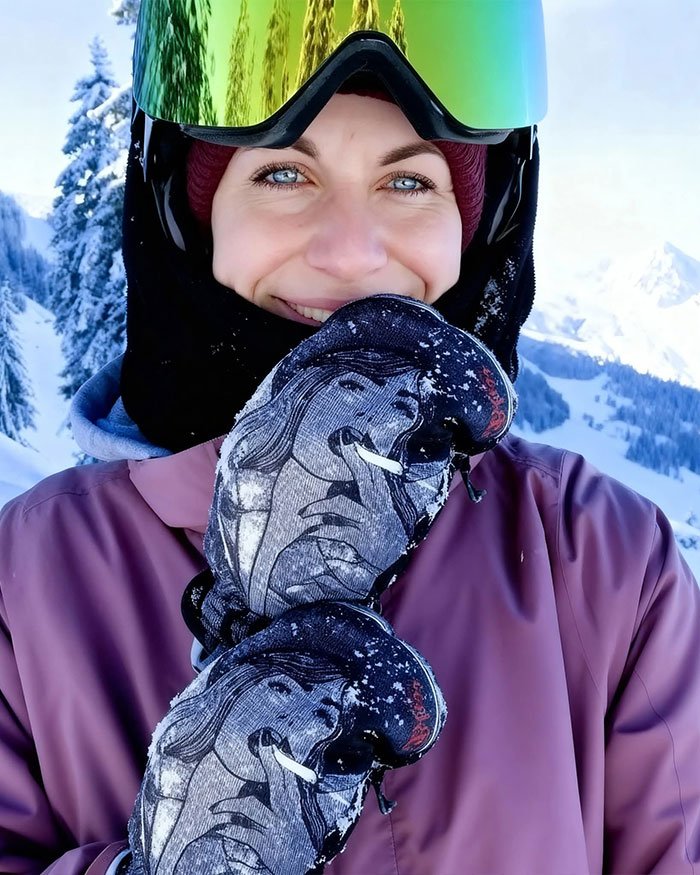
Image credits: Kerstin Gurtner Memorial
A surprise prosecution witness, Plamberger’s ex-girlfriend Andrea Bergener, was believed to be a turning point in the case. She said that during their relationship, he had left her alone on a climb on the same mountain, Grossglockner, while she was feeling dizzy.
Judge Norbert Hofer, who presided over the trial and is also an emergency mountain rescuer, showed sympathy for Plamberger but also chastised him for negligence.

Image credits: DER STANDARD
“Mr. Plemberger, you have borne an incredible burden. You lost a person,” Hofer said to The New York Times. “You are an excellent alpinist, but someone who finds it very difficult to make the switch between your own limits and those of others.”
“I am infinitely sorry for what happened,” Plamberger stated during the hearing. He said he had lost the person he loved the most.
Thomas Plamberger was found guilty in the court of public opinion as well
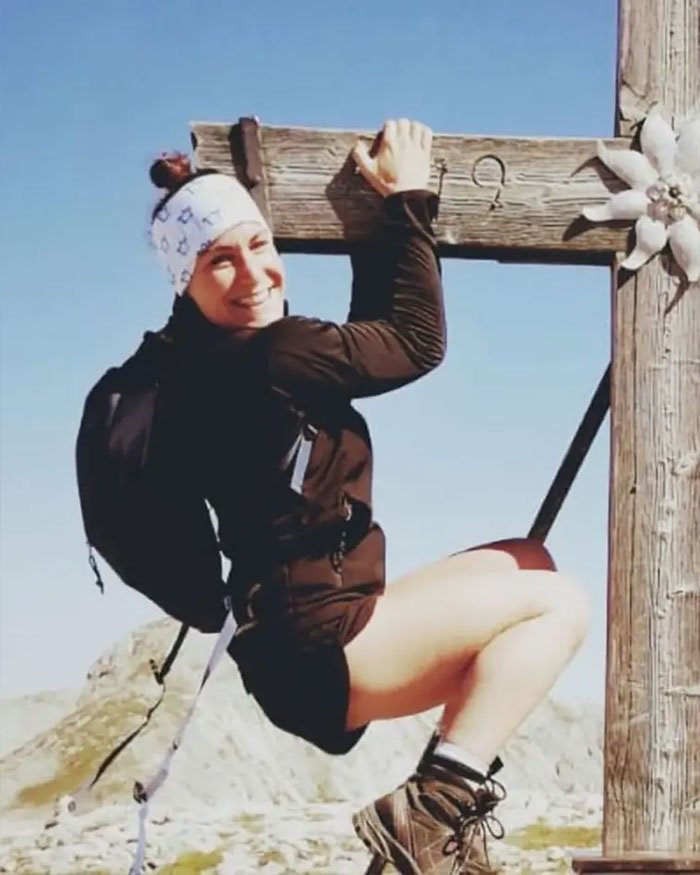
Image credits: Kerstin Gurtner Memorial
The outcome of the case fell in line with a principle in Germanic law named Garantenstellung, which establishes a responsibility and liability of “duty of care” toward anyone in the range of the situation.
“Only 5 months? I thought manslaughter would be more serious,” one user said. Another wrote, “He’s got off easy. All the steps he took/didn’t take pointed to a premeditated attempt or high negligence.”
“Once is an unfortunate event,” another said, referring to Bergener’s statement. “Twice is intentional.”
“Basically a POS who abandons people when things get tough,” one individual commented.
Mountaineering-related demises are not rare in Austria. In 2024, 309 people lost their lives in the Austrian mountains, a 14% increase from the 271 casualties in 2023, according to an Alpinmesse review.
The highest percentage (58%) of fatalities in the European Alps occurs in Austria, followed by Germany (28%) and the Netherlands (3%).
Severin Glaser, a professor of criminal law at the University of Innsbruck in Austria, suggested to The New York Times that the verdict could prompt a change in Austria’s mountaineering laws.
“This could shift the responsibility for yourself if you’re doing something dangerous,” he said.
“The costs of mountaineering, the costs of expressing your freedom might rise, and maybe some people are not willing any more to pay this higher price.”
“Her mother’s response is bizarre.” Social media weighed in on Thomas Plamberger leaving her girlfriend alone to freeze at the top of the Alps.